
Discover the best things to do in Koblenz, Germany including Rhine river cruises, Ehrenbreitstein Fortress, Deutsches Eck and scenic old town squares in this relaxed Rhine Valley guide.
- Overview
- Travel to and Around Koblenz
- Our Top Things to do in Koblenz
- Exploring Koblenz With a Guide
- 1. Ride the Koblenz Gondola Across the Rhine
- 2. Explore Ehrenbreitstein Fortress
- 3. Step Inside the Basilica of St. Castor
- 4. Wander Through Liebfrauenkirche
- 5. Photograph the Vier Türme (Four Towers)
- 6. Spend Time Around Jesuitenplatz
- 7. See the Schängel Fountain
- 8. Relax Near the History Column
- 9. Visit Deutsches Eck (German Corner)
- 10. Take a Boat Trip Along the Rhine
- 11. Walk Past the Electoral Palace
- Where to Stay in Koblenz?
- How Much Time Is Needed in Koblenz?
- Best Time to Visit Koblenz
- Where to Eat in Koblenz
- Suggested Alternative Itinerary (If You Have More Time)
- Final Thoughts
Overview

We visited Koblenz as part of our April 2026 Interrail trip towards Bucharest and, for us, it felt like the perfect introduction to the Rhine Valley. We had always wanted to experience this part of Germany properly – the riverside castles, the trains weaving between vineyards, and the slower pace that seems to define travel along the Rhine.
Situated at the meeting point of the Rhine and Moselle rivers, Koblenz is one of Germany’s oldest cities and an easy base for exploring the wider Rhine Gorge region. Whilst many travellers pass through on river cruises or as a quick stop between larger German cities, we found that Koblenz works surprisingly well as a relaxed 1–2 night destination.

What stood out to us most wasn’t necessarily the individual attractions themselves, but rather the overall atmosphere. You have cable cars gliding above the river, long promenades filled with cyclists and walkers, trains curving alongside vineyards every few minutes, and historic squares where people simply sit outside with a drink late into the evening.
For first-time visitors wondering what to do in Koblenz for a day, the city is also very walkable. Most of the main sights sit within a compact historic centre near Deutsches Eck (German Corner), making it easy to explore without relying heavily on transport
Travel to and Around Koblenz
Travelling to Koblenz

Koblenz is very well connected by rail and makes an excellent stop on a wider Germany itinerary or Interrail journey.
We arrived late in the evening by train from Aachen and immediately noticed how convenient the city feels for rail travellers. Koblenz Hauptbahnhof sits only a short walk or tram ride from the old town and Rhine waterfront.
The city is particularly well positioned if you plan to explore the Rhine Valley further. Regional trains run frequently towards Mainz, Bingen, Cochem and Cologne, whilst long-distance ICE services connect Koblenz with cities like Frankfurt and Berlin.
One of the nicest aspects of arriving by train is the scenery itself. As you approach Koblenz, the landscape gradually changes into steep vineyard-covered hills, castles perched above the river and narrow valleys that make this stretch of Germany feel distinctly different from the larger cities.
Travelling Around Koblenz

One thing we quickly realised is that most of Koblenz is extremely walkable.
We stayed at the Mercure Hotel Koblenz, not far from the Electoral Palace, and from there we comfortably explored the old town, Deutsches Eck, the gondola station and riverside promenades entirely on foot.
There is a city card available in Koblenz which includes public transport and attraction discounts, though at the time of our visit it was due to be discontinued. In all honesty, for first-time visitors, we think the only paid attractions truly worth prioritising are the Koblenz gondola and Ehrenbreitstein Fortress.
If you plan to visit the fortress, note that you do not necessarily need to use the cable car. You can also cross the Rhine by ferry and either hike or drive up to Ehrenbreitstein instead.
Our Top Things to do in Koblenz

Koblenz is less about ticking off huge attractions and more about slowly experiencing the rhythm of the Rhine Valley. Most sights naturally connect together through riverside promenades, old town squares and viewpoints overlooking the rivers.
One thing we particularly liked is that the city constantly feels connected to movement — boats passing underneath bridges, regional trains curving alongside the river every few minutes and cyclists following the waterfront paths. Even simply walking between attractions became part of the experience.
Many of the main sights are concentrated within walking distance of each other, making Koblenz a very manageable city to explore at a relaxed pace.
Exploring Koblenz With a Guide
While we explored Koblenz independently, we can see why Koblenz guided tours are popular here especially if you’re short on time or interested in learning more about the city’s history and local culture.
✔ Covers key landmarks
✔ Knowledgeable Local
✔ Highly rated by previous travellers
1. Ride the Koblenz Gondola Across the Rhine

We started our morning with the Koblenz Seilbahn (gondola), heading across the Rhine towards Ehrenbreitstein Fortress.
The weather was not particularly great during our visit — windy, grey and slightly gloomy — but somehow it suited the atmosphere of the Rhine Valley surprisingly well.

Because we arrived relatively early, around 10 am, our cable car cabin was almost empty which allowed us to properly enjoy the views and take photos of the passing river boats below.
For many visitors, this is probably one of the best things to do in Koblenz simply because of the perspective it gives over the city and rivers.
Tickets can be purchased separately or as a combined ticket with Ehrenbreitstein Fortress, which usually works out slightly cheaper.
Quick Facts
2. Explore Ehrenbreitstein Fortress

Ehrenbreitstein Fortress sits high above Koblenz and is one of the largest preserved fortresses in Europe.
Whilst the fortress itself is historically significant as the only surviving 19th-century Prussian fortress, we personally found the main highlight to be the overall setting rather than the military architecture.

The large courtyards and terraces offer some of the best panoramic views over Koblenz, Deutsches Eck and the meeting point between the Rhine and Moselle rivers.
We spent quite a while simply standing near the viewpoints watching trains, ships and cyclists move through the valley below. There is something oddly calming about seeing the entire transport rhythm of the Rhine unfold beneath you.

Inside the fortress, various exhibitions cover regional history and culture. One exhibit we particularly enjoyed focused on Rhine Valley wines. It gave useful context about local wine production, classification systems and vineyard traditions — which made us appreciate our wine tasting at Schloss Johannisberg from the previous day even more.
There is also a church inside the courtyard area, though it felt fairly empty and skippable compared to the other exhibitions and viewpoints.
Overall, Ehrenbreitstein feels like a very good day out for families as well. The open spaces and exhibitions make it more interactive than many traditional fortress visits.
Quick Facts
3. Step Inside the Basilica of St. Castor

Located near the gondola station, the Basilica of St. Castor is the oldest church in Koblenz and dates back to the early 9th century.
Historically, the basilica played an important role in negotiations surrounding the division of the Franconian Empire in 842 AD.

Inside, the church feels relatively simple compared to many grand German cathedrals, though we still enjoyed visiting it, especially because of the seasonal Easter decorations during our trip.
The Romanesque architecture and vaulted ceilings create a calm atmosphere and it works nicely as a quieter stop whilst walking between Deutsches Eck and the old town.
4. Wander Through Liebfrauenkirche

Liebfrauenkirche (Church of Our Lady) stands out mainly because of its twin towers and onion dome.
The church square becomes particularly atmospheric during the Koblenz Christmas Market, where visitors gather for Feuerzangenbowle and browse local craft stalls.

Inside, the church is fairly austere, though the red arcades add an interesting visual detail.
If you are short on time, we think this is one attraction you could potentially skip. Still, it naturally fits into a walk through the old town and takes only a few minutes to visit.
5. Photograph the Vier Türme (Four Towers)

The intersection between Marktstrasse and Altengraben is marked by four historic buildings with beautifully decorated bay windows.
There is something visually satisfying about this corner of Koblenz. We ended up spending longer here than expected simply watching people pass through the intersection whilst taking photos.

The symmetry and details of the buildings make it one of the more photogenic spots in the city.
6. Spend Time Around Jesuitenplatz

Jesuitenplatz was probably one of our favourite squares in Koblenz.
The square feels lively without becoming overwhelming and is surrounded by historic facades, outdoor seating areas and the Jesuit Church itself.
When we visited, there were live performances taking place and at one point a band started playing “Bella Ciao,” which unexpectedly added a really memorable atmosphere to the evening.
It is the kind of square where people simply sit outside with a drink and watch the city slowly move around them.
Nearby, you can also find the Schängel Fountain.

7. See the Schängel Fountain

The Schängel Fountain is one of Koblenz’s most recognisable landmarks.
Created by Carl Burger in 1940, the fountain commemorates local poet Josef Cornelius whilst also referencing the nickname given to native Koblenzers.
The word “Schängel” originates from the French name Jean, which became common during the French occupation between 1794 and 1814. Over time, the local dialect transformed it into “Schängel.”
The fountain itself features a bronze boy statue and has become something of a local symbol.
In many ways, it reminded us a little of Brussels’ Manneken Pis – smaller than some visitors may expect, but tied closely to local identity and humour.
8. Relax Near the History Column

Not far from Jesuitenplatz you can find the History Column, which visually depicts different periods of Koblenz’s history.
For us, this area became less about the monument itself and more about simply slowing down.
We sat on the public wooden loungers nearby for quite a while watching people move through the square. Sometimes those quieter pauses between attractions end up becoming some of the more memorable parts of travelling.
9. Visit Deutsches Eck (German Corner)

Deutsches Eck is easily Koblenz’s most iconic landmark.
Located at the confluence of the Rhine and Moselle rivers, the site is dominated by a huge equestrian monument dedicated to Emperor William I. The original monument suffered damage during World War II before later being reconstructed.
Today, the area feels both symbolic and surprisingly relaxed. You can walk along the waterfront, see the flags of all German federal states and watch river cruises passing through the meeting point of the two rivers.

The scale of the monument is impressive and it remains the largest equestrian statue in Europe.
For many travellers searching for the best things to do in Koblenz, this will naturally end up near the top of the list.
10. Take a Boat Trip Along the Rhine

One experience we would genuinely suggest prioritising is a Rhine river cruise from Koblenz.
Our boat departed near the Basilica of St. Castor and lasted roughly two hours.
Even though the weather remained gloomy throughout the journey, we still thoroughly enjoyed it. In some ways, the low clouds and misty hills made the Rhine scenery feel even more atmospheric.

Along the route, we passed several castles and landmarks including Lahneck Castle, Stolzenfels Castle and the Electoral Palace.
Throughout the cruise, commentary explained the history of different locations along the river which added useful context to the landscape.
If you are interested in castles in Koblenz, Germany and the wider Rhine Valley scenery, a boat trip probably gives the best overall introduction to the region.
11. Walk Past the Electoral Palace

The Electoral Palace is one of Koblenz’s major landmarks, though visitors should note that the interior cannot normally be visited.
Today, the building functions mainly as an events and conference venue.
Because our hotel was located nearby, we naturally walked past it several times during our stay.
Whilst the palace gardens are pleasant enough for a short stroll, we personally would not go significantly out of your way specifically for this attraction.
Part of this is likely because much of the palace had to be reconstructed following World War II damage.
Where to Stay in Koblenz?

Koblenz works best when you stay close to the Rhine waterfront or the old town.
We stayed at the Mercure Hotel Koblenz and found the location ideal. It was close enough to walk everywhere whilst also giving us direct access to the riverside promenade. Breakfast overlooking the Rhine in the morning was genuinely one of the highlights of staying there.
For most travellers, we’d suggest focusing on one of these areas:
Best Areas to Stay in Koblenz
Rhine Waterfront
This area works particularly well if you enjoy evening walks, river views and easy access to the cable car station. You are also within walking distance of Deutsches Eck and many of Koblenz’s main attractions.
Altstadt (Old Town)
The old town has more atmosphere in the evenings with squares like Jesuitenplatz and Am Plan becoming noticeably livelier after sunset. It suits travellers wanting restaurants, bars and historic architecture right outside their hotel.
Near Koblenz Hauptbahnhof
If you are using Koblenz primarily as a base for Rhine Valley day trips, staying closer to the station can also work well. Trains towards Cochem, Mainz and the Middle Rhine Valley are frequent and convenient.
Our Hotel Recommendations
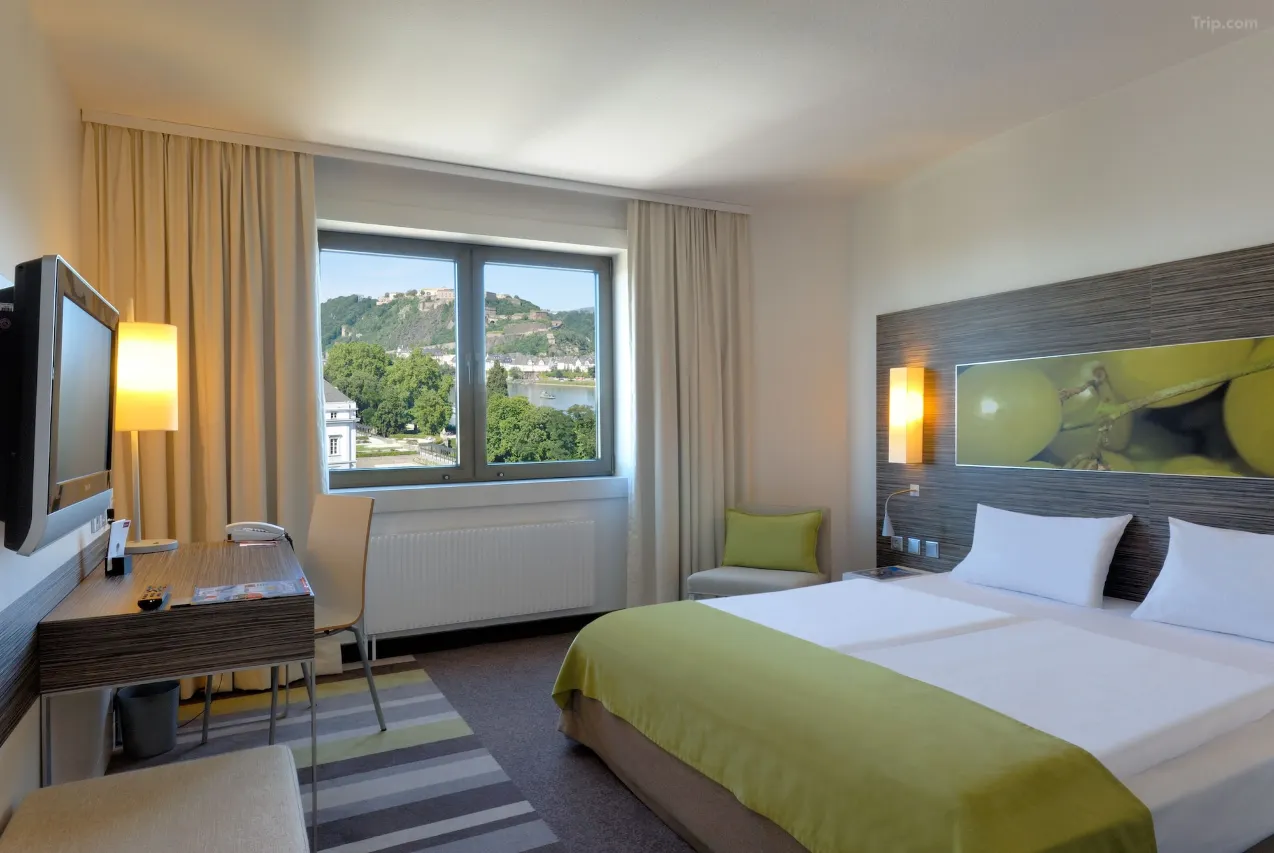
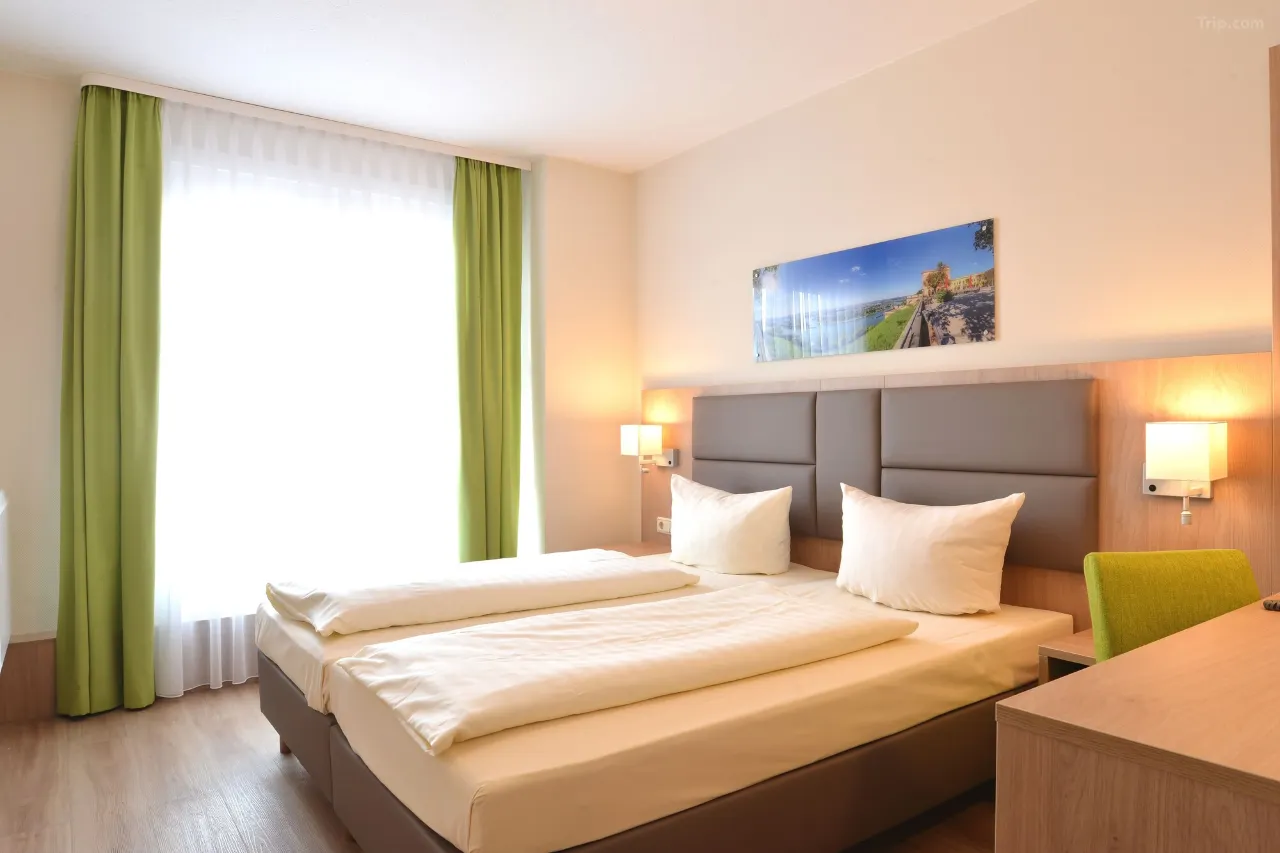
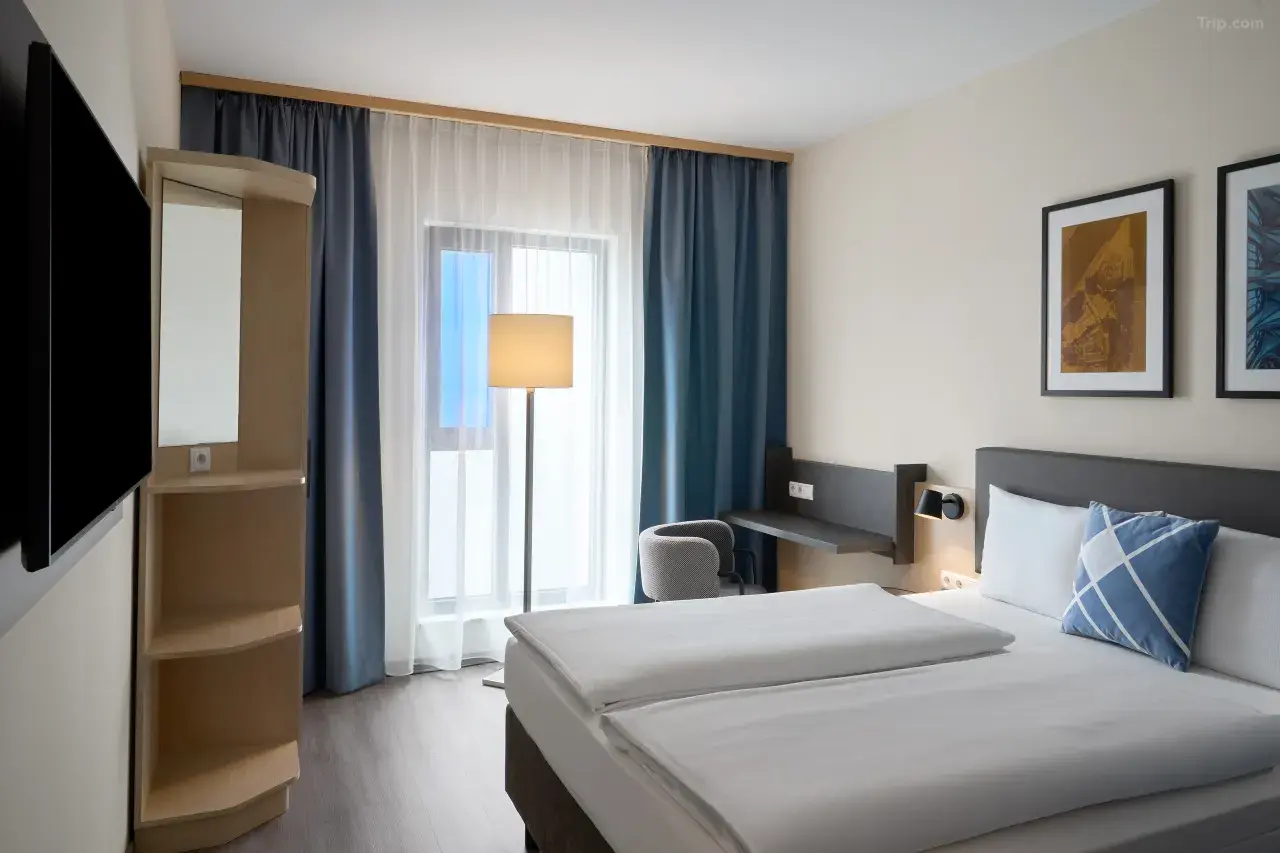
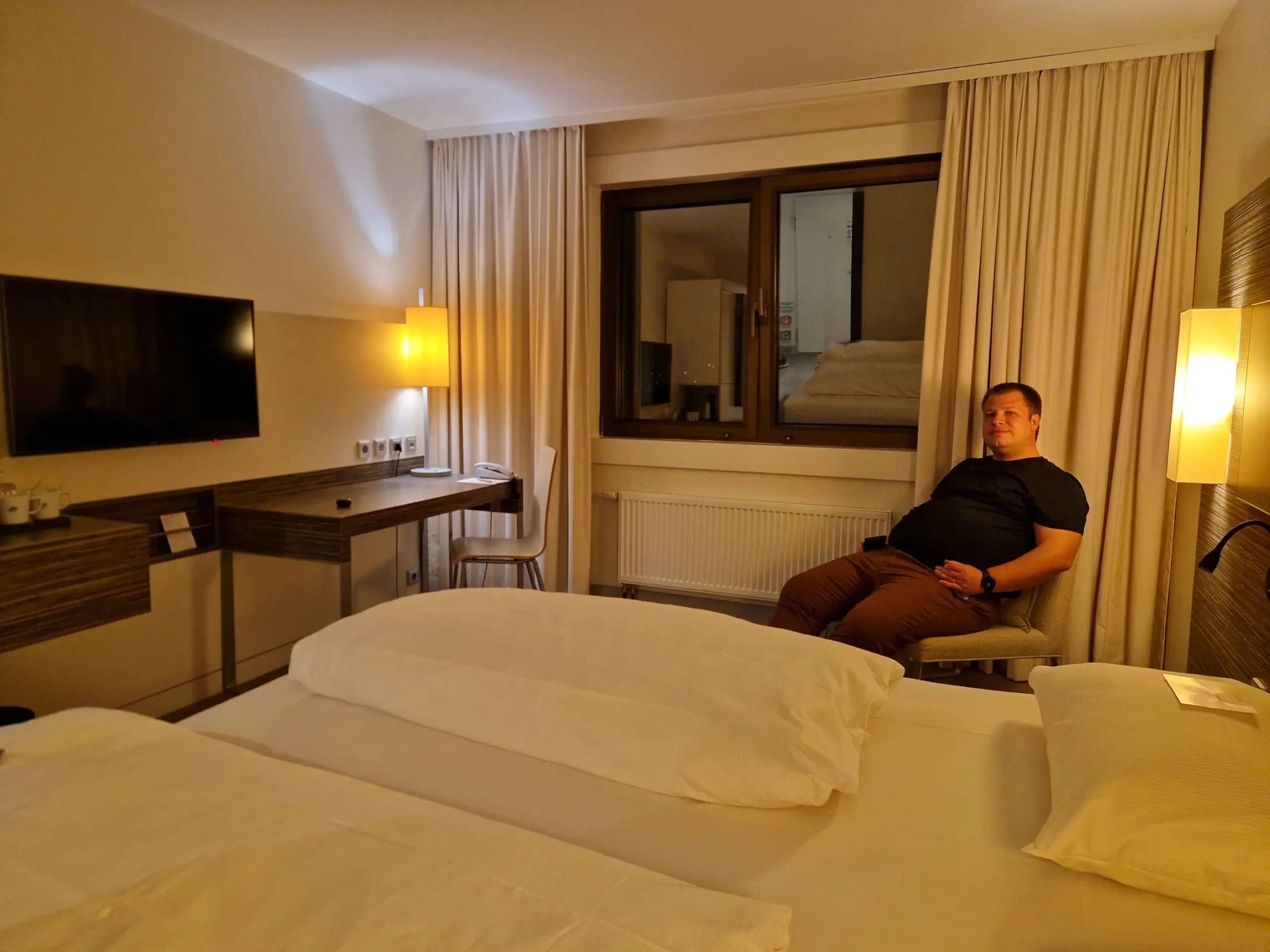
* Contains affiliate links — we may earn a small commission at no extra cost to you.
How Much Time Is Needed in Koblenz?

We booked two nights in Koblenz and, honestly, we felt that one full day is enough to see the city itself comfortably.
That said, Koblenz works particularly well as a slower base for exploring the wider Rhine and Moselle region. During our second day, we visited Schloss Johannisberg in the Rheingau wine region before later heading to Cochem in the Moselle Valley. Whilst possible, combining too many day trips can start to feel slightly rushed.
For most travellers, we think two nights is probably the sweet spot:
- 1 full day for Koblenz itself
- 1 additional day for a Rhine or Moselle Valley excursion
If you are simply looking for what to do in Koblenz in one day, the city is compact enough to cover most highlights without needing an overly packed itinerary.
Best Time to Visit Koblenz

Spring and early autumn are probably the nicest times to visit Koblenz.
We visited in April and although the weather was gloomy and windy at times, the riverside scenery still felt atmospheric. Seeing trains and river boats moving through the valley beneath low clouds somehow added to the Rhine experience rather than taking away from it.
Summer naturally brings warmer weather and busier river cruises, whilst December transforms parts of the old town into Christmas markets, especially around Liebfrauenkirche.
If possible, try to avoid rushing through Koblenz during only the hottest midday hours. We found the city far more enjoyable in the early morning and evening when the riverside becomes quieter and the old town squares feel more local.
Where to Eat in Koblenz
L’Osteria Koblenz

Whilst exploring Koblenz, we wanted somewhere relaxed where we could sit down properly and enjoy the atmosphere of the old town.
We ended up choosing L’Osteria Koblenz near the attractive Am Plan square and fountain.
Although not traditional German food, we generally enjoy this chain because the portions are large, the prices are reasonable and the locations are usually very central.
The pizzas here are famously oversized — genuinely larger than the plates themselves.

I ordered the Hawaiian pizza which was fresh and surprisingly good (yes, pineapple on pizza works), whilst Hristina chose the four cheeses pizza which was extremely rich and cheesy.
Afterwards, we finished with espresso whilst sitting outside watching people move through the square.
eGeLoSIa Laden

Later in the evening, despite still being relatively full from lunch, we decided to stop for gelato.
eGeLoSIa Laden specialises in ice cream made using local milk and the long queue outside quickly reassured us we had probably picked a good place.
The pistachio flavour ended up being the real standout. It tasted genuinely nutty and natural rather than artificially flavoured.
I also tried the Black Forest flavour which included cocktail cherries and rich chocolate ice cream.
Hristina went for stracciatella, salted caramel and tiramisu. The tiramisu in particular had a subtle coffee flavour that worked really well.
All in all, it was one of those simple travel moments that somehow becomes memorable.
Suggested Alternative Itinerary (If You Have More Time)
One of the advantages of staying in Koblenz is how well connected it is for day trips.
If you have additional time, here are a few nearby places we think pair particularly well with Koblenz:
1. Cochem

We visited Cochem as a day trip from Koblenz and the train journey through the Moselle Valley alone was worth it. The valley feels narrower and more intimate than the Rhine whilst still offering vineyard views, river scenery and hilltop castles.
2. Schloss Johannisberg & Rheingau

If you enjoy wine or Rhine Valley history, the Rheingau region makes an excellent excursion.
Our visit to Schloss Johannisberg gave us a much deeper appreciation of Riesling production and Rhine Valley wine culture.
3. Mainz

Mainz combines riverside scenery with a more lived-in city atmosphere and works particularly well if you are continuing further south along the Rhine.
Final Thoughts
Koblenz may not have the instantly recognisable appeal of cities like Cologne or Heidelberg, but we found it surprisingly enjoyable precisely because it feels slower and more grounded in the rhythm of the Rhine itself.
For us, the highlights were less about individual landmarks and more about the overall atmosphere – standing above the rivers at Ehrenbreitstein Fortress watching trains curve through the valley, hearing live music drift across Jesuitenplatz in the evening, or simply sitting along the waterfront watching river boats slowly pass beneath the cable cars.
As part of a wider Rhine or Moselle Valley itinerary, Koblenz works extremely well. Whether you are travelling by train, river cruise or road trip, it feels like a natural place to pause for a couple of nights before continuing deeper into Germany.
If you are already planning nearby stops, consider pairing Koblenz with Cochem, Mainz or the Rheingau wine region for a slower-paced Rhine Valley itinerary.
If you’re ready to start booking, these links cover the essentials — from hotels and tours to insurance and eSIMs.
We send the occasional email with fresh destinations, hotel picks and practical tips we actually use.
- New destination guides and itineraries
- Hotel recommendations (the ones we’d book again)
- Useful travel tools and money-saving tips
- No spam — unsubscribe any time