
Ah yes, Vienna. Our stories have brought us here. Walking down the streets of Vienna with its marvellous architecture you could almost hear Johann Strauss conducting The Blue Danube as you pass by these majestic buildings.
Once a small Roman fort to guard the Empire from German incursions it later became the capital of the Habsburg Empire. Throughout the years its residents have been associated with a good quality and standard of life. A status few cities in this world are able to achieve.
In a 2005 study of 127 world cities, the Economist Intelligence Unit ranked the city first (in a tie with Vancouver and San Francisco) for the world’s most livable cities. Between 2011 and 2015, Vienna was ranked second, behind Melbourne.
- Overview
- How Long Do You Need in Vienna?
- Travel to and Around Vienna
- Where to Stay in Vienna
- Top things to do in Vienna
- Guided Tours and Passes in Vienna
- 1. Start in the Historic Centre Around St Stephen’s Cathedral
- 2. Step Inside Karlskirche (St. Charles’s Church)
- 3. Pause in Burggarten and Find the Mozart Monument
- 4. Walk Along Graben and See the Plague Column
- 5. Admire the Vienna State Opera House
- 6. See Hochstrahlbrunnen Fountain at Night
- 7. See the Natural History Museum and Kunsthistorisches Museum
- 8. Admire the The Town Hall (Rathaus)
- 9. Visit Hundertwasserhaus for a Quirkier Side of Vienna
- 10. Explore the Hofburg Palace Complex
- 11. Spend Half a Day at Schönbrunn Palace
- 11.1. Walk Through the Gardens at Schönbrunn
- 12. Visit Belvedere Palace and See a Different Side of Imperial Vienna
- 13. End the Day at Prater and the Giant Ferris Wheel
- Best Time to Visit Vienna
- Suggested Vienna Itinerary
- Can You Combine Vienna with Bratislava?
- What to Eat when in Vienna
- Final thoughts
Overview

Vienna is one of those cities that can feel almost too polished at first. The streets are broad, the buildings are grand, the cafés feel ceremonial, and even a casual walk through the centre can make you feel as though you have stepped into a city that has been carefully composed rather than simply built.
It is also a very easy city to enjoy on a first visit. Vienna has the palaces, museums, churches and concert halls you would expect from the former heart of the Habsburg Empire, but it also works well as a practical city break. Public transport is straightforward, the historic centre is walkable, and many of the main sights naturally link together without the day feeling too fragmented.
We first visited Vienna as part of a wider Central European trip and combined it with Bratislava, which works very well if you want to see two capitals in one journey. Vienna is elegant and imperial, while Bratislava is smaller, quieter and easier to explore in a day. Together, they make a very satisfying long weekend or short rail-based itinerary.

What stayed with us most about Vienna was not just one palace or one museum, but the overall atmosphere of the city. You walk past St Stephen’s Cathedral, turn into Graben, see the Plague Column glowing above the street, then suddenly find yourself outside the Hofburg with horse-drawn carriages passing by. It is a city where the main sights are impressive, but the spaces between them are often just as memorable.
This guide covers the main things to do in Vienna for a first visit, along with practical advice on where to stay, how to get around, what to eat and how to plan your time without rushing from one attraction to the next.
How Long Do You Need in Vienna?

For a first visit, we think two full days in Vienna is a good starting point. It gives you enough time to explore the historic centre, visit one or two major palaces, enjoy a museum or concert, and still have time for a proper Viennese meal rather than treating the city like a checklist.
A weekend from Friday evening to Sunday evening can work, especially if you fly in or arrive by train and stay close to a major transport hub. However, if you want to visit Schönbrunn Palace properly, spend time inside Belvedere or the Hofburg, and sit down in a traditional café without watching the clock, three days will feel more comfortable.
Vienna is not a city where we would try to do everything in one day. The distances are manageable, but many of the main attractions are quite large. Schönbrunn alone can take half a day once you include the palace, gardens and walk up to the Gloriette. The same applies to the museum area if you are planning to visit the Kunsthistorisches Museum or Natural History Museum.
A good rhythm for Vienna is to use the mornings for bigger sights and the afternoons for slower wandering, cafés, parks and smaller stops. That way, the city feels grand rather than exhausting.
Travel to and Around Vienna
Travelling to Vienna by Plane

Vienna International Airport is the main airport serving the city and is well connected to the centre by train, bus and taxi. For travellers coming from London or elsewhere in Europe, Vienna often works well as a city break destination because flight options are usually frequent and the airport transfer is straightforward.
The airport is not far from the city, so you do not lose half a day getting in and out. Depending on where you stay, you can reach central Vienna by train and then connect easily with the U-Bahn, tram or bus network.
If you are planning a short trip, we would prioritise accommodation with simple airport or station access. It makes arrival much easier, especially if you are landing in the evening or leaving early on your final day.
Travelling to Vienna by Train

Vienna is also a very good rail destination. Wien Hauptbahnhof is one of the key railway hubs in Central Europe, with international connections to cities such as Budapest, Bratislava, Prague, Munich, Salzburg and beyond.
This makes Vienna particularly useful if you are planning a slower European itinerary rather than a single city break. You can arrive by train, stay near the main station, and still reach the historic centre quickly by public transport.
From a CheckinAway perspective, Vienna works especially well as part of a wider Austria or Central Europe route. You could combine it with Salzburg, Graz, Hallstatt, Bratislava or Budapest depending on how much time you have.
Getting from Vienna Airport to the City Centre
There are several ways to travel from Vienna Airport to the city centre, including the S7 train, ÖBB Railjet, City Airport Train, airport buses and taxis.
For many visitors, the S7 is the more budget-friendly option and connects the airport with stations such as Wien Mitte/Landstraße and Praterstern. Wien Mitte is especially useful because it connects with the U-Bahn and is close to the eastern side of the city centre.
The City Airport Train is the faster and more direct option between the airport and Wien Mitte, although it is usually more expensive than standard public transport. It can be convenient if you want the simplest airport-to-city transfer and are staying near Landstraße, Wien Mitte or along the U3/U4 lines.
If you are travelling in 2026 or 2027, check the latest airport transport information before publishing or travelling, as scheduled works can affect some airport rail services.
Travelling Around Vienna

Vienna is very easy to navigate once you are in the city. The public transport system includes U-Bahn, trams and buses, and most first-time visitors will only need a small portion of the network.
The U-Bahn is useful for covering longer distances, such as getting to Schönbrunn Palace or moving between the main station and the city centre. Trams are more atmospheric and work well around the Ringstrasse, where many of Vienna’s grand buildings and museums are located.
Walking is also a big part of enjoying Vienna. The historic centre is compact enough for slow exploration, especially around St Stephen’s Cathedral, Graben, Hofburg, Burggarten, the State Opera and Karlsplatz. Some of our favourite moments in Vienna came from simply moving between sights on foot and letting the architecture unfold street by street.
If you are staying for two or three days and plan to use public transport regularly, it may be worth comparing standard transport tickets with the Vienna City Card. The right choice depends on how many attractions you plan to visit and whether the included discounts are useful for your itinerary.
Where to Stay in Vienna

During our visit, we stayed at Premier Inn Wien City Hauptbahnhof, previously known as Acom-Hotel Vienna and AZIMUT Hotel Vienna. The hotel is by the main train station. It was not far from the city centre and had good access to public transport, which made it a practical base for sightseeing.
In terms of accommodation, we would recommend booking your travel through an aggregator such as Booking.com or Agoda to get the best rates. You can use the widget below to find accommodation in Vienna for your specific dates.
Vienna has a wide range of accommodation, from grand historic hotels in the Innere Stadt to more practical hotels near transport hubs. For a first visit, we would focus less on finding the “perfect” hotel and more on choosing the right area for how you plan to move around the city.
The city centre is beautiful and convenient, but it can be expensive. Areas slightly outside the Innere Stadt can offer better value while still keeping you close to the U-Bahn, trams or main railway station.
Top things to do in Vienna

Vienna is not a city where the attractions sit neatly in isolation. The experience is more layered than that. You move from cathedral squares to palace courtyards, from formal gardens to museum halls, from coffee houses to concert venues, and it all feels connected by the city’s imperial architecture and musical heritage.
For a first visit, we would organise your time around a few natural clusters rather than rushing across the city. Spend one day around the historic centre, Hofburg, Graben, the State Opera and Karlsplatz. Use another part of the trip for Schönbrunn and Belvedere, with Prater or a café stop in the evening depending on your energy.
Guided Tours and Passes in Vienna
For passes, compare the Vienna City Card and Vienna PASS carefully. The Vienna City Card is generally more transport-and-discount focused, while the Vienna PASS is more attraction-heavy and includes hop-on hop-off buses. The better option depends on how many paid attractions you realistically plan to visit.
We would not buy a pass just because it sounds convenient. First, list the places you genuinely want to see, check the entry prices, and then compare that with the pass cost. If you are planning a slower trip with lots of walking and café stops, individual tickets may be enough.
If you don’t have enough time in the city, you might consider Hop-on Hop-off Vienna Bus Tour to cover the main attractions. For ease, we have also provided an interactive map below with all the main attractions listed in this article.
1. Start in the Historic Centre Around St Stephen’s Cathedral

St Stephen’s Cathedral is the natural place to begin a first visit to Vienna. It sits right in the heart of the historic centre, surrounded by shopping streets, cafés, side lanes and a constant flow of people moving through the city.
Even before going inside, the cathedral gives you a strong sense of Vienna’s scale and confidence. The dark Gothic exterior, patterned roof tiles and tall south tower make it feel both dramatic and deeply rooted in the city.

This area is also useful as an orientation point. From here, you can walk towards Graben and the Plague Column, continue to the Hofburg, or move south towards the State Opera and Karlsplatz. If you are short on time, simply walking this route gives you a strong introduction to central Vienna.
2. Step Inside Karlskirche (St. Charles’s Church)

Karlskirche is one of Vienna’s most impressive Baroque landmarks and is well worth visiting both inside and out. While its grand dome and distinctive columns dominate Karlsplatz, the interior is just as striking, with elaborate frescoes, ornate decoration and a sense of scale that feels very different from Vienna’s Gothic churches.
We would not rush this stop. Take time to admire the artwork, architectural details and peaceful atmosphere that make Karlskirche one of the city’s most memorable religious buildings.
One of the unique features of a visit is the panoramic lift that takes visitors closer to the dome frescoes. It offers a rare opportunity to see the artwork up close and gain a different perspective on the church’s remarkable interior.
3. Pause in Burggarten and Find the Mozart Monument

Burggarten is a pleasant green pause between the Hofburg, the Ringstrasse and the museum area. It is not a large park, but it gives you a softer moment in a part of Vienna that can otherwise feel very formal.
The Mozart Monument is one of the classic stops here. Vienna’s musical associations are everywhere, but seeing the monument in the park gives that heritage a more relaxed setting than the concert halls and opera houses.
We liked how Vienna’s monuments appear naturally as you walk between attractions. They make the city feel like an open-air museum, but not in a static way. There is always movement around them: people crossing squares, trams passing nearby, horses and carriages moving through the centre, and tourists trying to work out which direction to head next.
4. Walk Along Graben and See the Plague Column

From St Stephen’s Cathedral, Graben is one of the easiest and most elegant walks in central Vienna. It is a polished street, but not just a shopping street. It has that very Viennese mix of grand façades, cafés, sculpture and movement.
The Plague Column stands in the middle of the street and is one of those monuments that becomes more interesting when you pause rather than simply photograph it. It was built as a memorial after the plague epidemic of the 17th century, and its elaborate Baroque design gives the street a dramatic focal point.
This is also a good area to let the city reveal itself at a slower pace. Look up at the building details, wander into nearby side streets, and give yourself time to absorb the centre rather than treating it as a quick stop between bigger attractions.
5. Admire the Vienna State Opera House

The Vienna State Opera House is one of the city’s defining buildings and a key stop even if you are not planning to attend a performance. Its position on the Ringstrasse makes it easy to include while walking between the Hofburg, Burggarten, Karlsplatz and the museum area.
The building is especially atmospheric in the evening, when the lights bring out the details of the façade and the area feels more theatrical. This is one of the places where Vienna’s association with classical music becomes very tangible.
If opera is not usually your thing, a guided tour can be a more accessible way to see the interior and understand the building without committing to a full performance. If you do want to attend a concert or opera, book ahead and check availability carefully, especially during busier travel periods.
6. See Hochstrahlbrunnen Fountain at Night

Hochstrahlbrunnen is a pleasant evening stop if you are nearby. The fountain is especially nice after dark, when the water is illuminated and the square feels calmer.
It is not the kind of attraction we would cross the whole city for, but it works well as part of an evening walk around Schwarzenbergplatz, Karlsplatz or the Ringstrasse.
Vienna has many of these smaller moments. Not every stop needs to be a palace or museum. Sometimes the city works best when you leave a little space for fountains, squares, parks and quiet streets between the bigger sights.
Sure, perhaps not as exciting as the Magic Fountain of Montjuïc in Barcelona but still worth the trip.
7. See the Natural History Museum and Kunsthistorisches Museum

The Natural History Museum and Kunsthistorisches Museum face each other across Maria-Theresien-Platz, creating one of the most impressive museum settings in Vienna.
The Natural History Museum is a good option if you enjoy collections covering animals, fossils, minerals and the natural world. The Kunsthistorisches Museum is more focused on art and the Habsburg collections, with works spanning several centuries.
For most first-time visitors, choosing one is more realistic than trying to do both in a single day. Museums in Vienna can be rich and detailed, and it is better to enjoy one properly than to move through several without taking much in.
8. Admire the The Town Hall (Rathaus)

One of Vienna’s most recognisable landmarks, the Rathaus (City Hall) is a striking neo-Gothic building that has served as the seat of the city’s government since 1883. It s yet another great example of Viennese architecture displaying the best the city has to offer in terms of grandeur.
Even if you don’t go inside, it’s well worth visiting the surrounding Rathausplatz, which hosts many of Vienna’s most popular events throughout the year, including the Christmas Market, the summer Film Festival, and the winter ice-skating rink.
9. Visit Hundertwasserhaus for a Quirkier Side of Vienna

Hundertwasserhaus shows a very different side of Vienna. After so much imperial symmetry and Baroque grandeur, its colourful façade, irregular shapes and playful design feel almost rebellious.
The building was created from the ideas of Austrian artist Friedensreich Hundertwasser, with architect Joseph Krawina as a co-creator. It remains a residential building, so you visit from the outside rather than treating it like a traditional museum.
This is not an essential stop if you only have one day, but it is a good addition if you have already covered the historic centre and want something less formal. It also works well for photography, although it can get busy.
10. Explore the Hofburg Palace Complex

The Hofburg is not just one building but a large palace complex in the centre of Vienna. It was the former imperial residence of the Habsburgs and today contains museums, courtyards, collections and ceremonial spaces.
This is one of the best places to understand Vienna’s imperial identity. Even if you do not go inside every museum, walking through the courtyards and surrounding squares gives you a sense of the scale of the former empire.
We visited the Imperial Treasury at the Hofburg and found it a good way to see the wealth, symbolism and ceremonial culture of the Habsburg court. It is the kind of attraction where booking ahead can make sense, especially if you are visiting during a busy period or only have limited time in the city.
11. Spend Half a Day at Schönbrunn Palace

Schönbrunn Palace is one of the main reasons many people visit Vienna, and it deserves more than a rushed stop. It was the Habsburg summer residence and sits outside the immediate city centre, so you should treat it as a half-day activity rather than something to squeeze in between two museums.
The palace interiors give you a glimpse of imperial life, but the wider estate is just as important. The gardens, fountains, long avenues and view from the Gloriette all help you understand why Schönbrunn became such a symbolic place.

We found the view from the Gloriette especially memorable. Looking back down over the palace and gardens, with Vienna stretching beyond, gives the estate a sense of theatre. It is a gentle climb, but it adds a lot to the visit.
If you only have two days in Vienna, we would do Schönbrunn in the morning and then keep the afternoon lighter. Palace visits can be more tiring than they look on paper.
If you’ve ever been to Berlin it’s very much like the Sanssouci Palace estate.
11.1. Walk Through the Gardens at Schönbrunn

Do not treat the gardens at Schönbrunn as an afterthought. Even if you do not visit every paid section of the estate, the park itself is a major part of the experience.

The formal gardens, fountains and tree-lined routes give the palace its sense of scale. We also enjoyed seeing the Crown Prince Garden and Palm House, which add more texture to the visit if you have time.
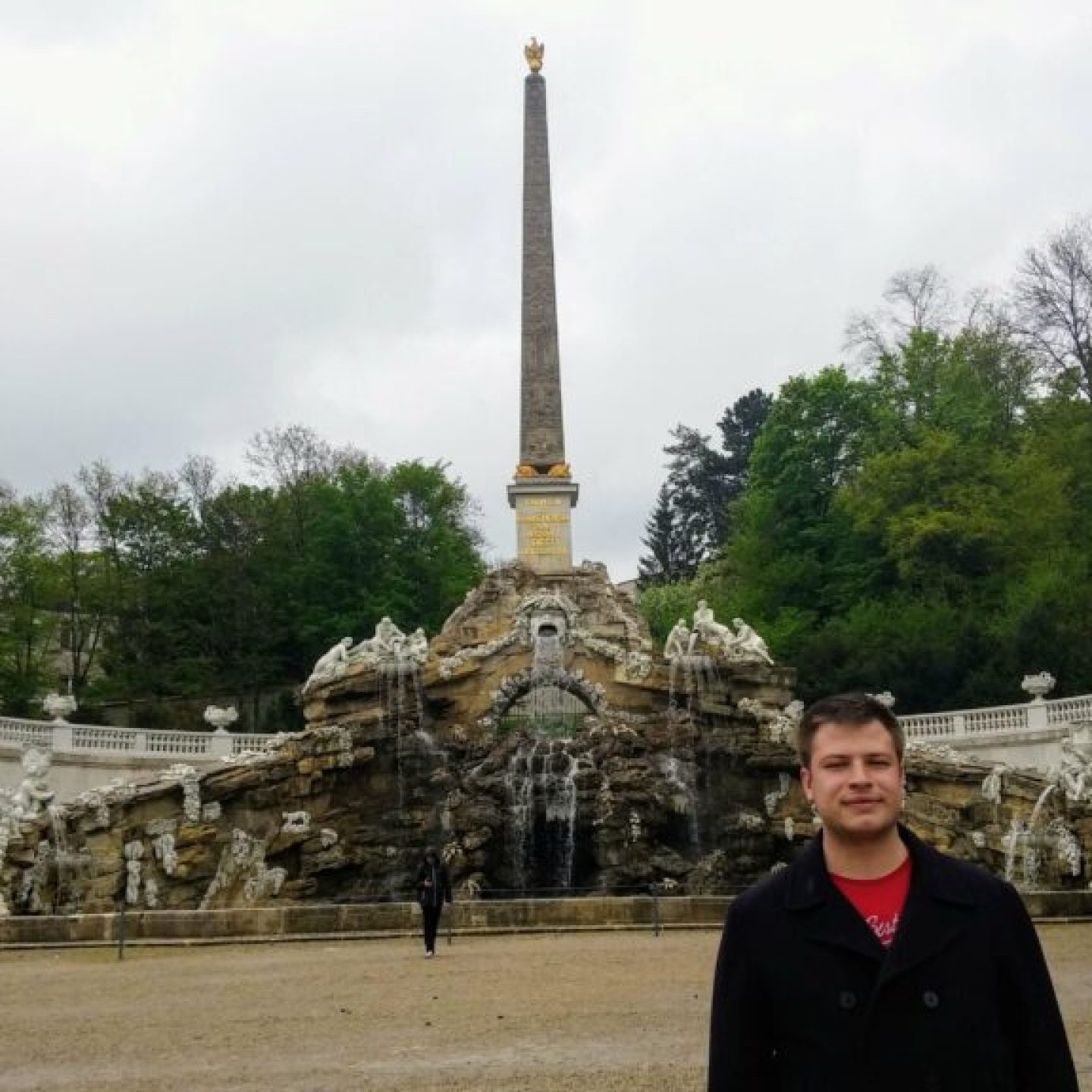
A practical approach is to book the palace interior for a timed slot, then leave space before or after to walk the gardens without rushing. If the weather is good, this can easily become one of the most enjoyable parts of the day.
12. Visit Belvedere Palace and See a Different Side of Imperial Vienna

Belvedere Palace is another major Baroque palace complex, but it feels different from Schönbrunn. It is closer to the centre, easier to combine with other sights, and has a strong art focus as well as impressive gardens.
Many visitors come to the Upper Belvedere for Gustav Klimt’s The Kiss, but the building and grounds are part of the appeal too. The gardens include fountains, sculptures, gates and formal views, giving the palace a composed and elegant feel.

Belvedere works particularly well if you are staying near Vienna Hauptbahnhof, as it is one of the main sights in that part of the city. You can also combine it with a walk towards Karlsplatz or the State Opera depending on your route.
13. End the Day at Prater and the Giant Ferris Wheel

Prater is Vienna’s historic amusement park, best known for the Giant Ferris Wheel. It is a very different experience from the palaces and museums, which is exactly why it can work well towards the end of a trip.
The Ferris wheel has been part of Vienna’s skyline since the late 19th century and gives you a slower, more nostalgic view over the city. It is not trying to be a modern observation wheel; the charm is in the history, the structure and the slightly old-fashioned rhythm of the ride.

Prater also has rides, food stalls and amusement park attractions, so it can be especially good if you are travelling with children or want a more relaxed evening after a day of sightseeing.
Whilst not the London Eye it still offers a good ride.
Best Time to Visit Vienna
Weather Forecast for Vienna by Month
Climate data is based on long-term monthly averages and should be used as a planning guide rather than a live forecast.
Vienna can be visited year-round, but the experience changes quite a lot depending on the season.
Spring is a lovely time to visit if you want milder weather, gardens coming back to life and comfortable walking conditions. Schönbrunn and Belvedere both feel more rewarding when the gardens have colour, and the city is easier to explore on foot before the peak summer crowds arrive.

Summer brings longer days and more outdoor life, but it can also be busier and warmer. If you visit in summer, plan the bigger sights earlier in the day and leave time for shaded parks, cafés and evening walks.
Autumn is a very good season for Vienna. The weather is often still manageable, cultural life feels active, and the city’s grand architecture suits the softer light and cooler evenings.
Winter is atmospheric, especially if you are visiting for Christmas markets, concerts and cafés. The colder weather makes museum visits and palace interiors more appealing, but you will want to plan your days carefully so you are not spending too much time outside in poor weather.
For a balanced first visit, we would probably choose spring or autumn. You still get the atmosphere of the city, but with more comfortable conditions for walking between sights.
Suggested Vienna Itinerary
Day 1: Historic Centre, Hofburg, Karlskirche and Ringstrasse
Start your first day at St Stephen’s Cathedral, then walk along Graben to see the Plague Column. From there, continue towards the Hofburg and explore the palace courtyards, Heldenplatz and Burggarten.
If you want to visit an interior, choose the Imperial Treasury, Sisi Museum or another Hofburg attraction that interests you most. After lunch, walk towards the State Opera and Karlsplatz, then visit Karlskirche.
In the evening, consider a concert at Karlskirche, a performance at the State Opera, or a relaxed dinner followed by a walk around the illuminated centre.
Day 2: Schönbrunn, Belvedere and Prater
Use the morning for Schönbrunn Palace. Book a timed entry if you plan to visit the interiors, then leave time for the gardens and the walk up to the Gloriette.
In the afternoon, head back towards the city and visit Belvedere Palace. If you enjoy art, allow time for the Upper Belvedere collection. If you prefer a lighter visit, focus on the gardens and exterior.
Finish the day at Prater and the Giant Ferris Wheel, or return to the historic centre for a café, dinner and a slower evening walk.
Can You Combine Vienna with Bratislava?

Yes, Vienna and Bratislava are very easy to combine, especially if you are travelling by train or coach. The two cities are close enough that Bratislava can be done as a day trip, although staying overnight gives you a better feel for its quieter old town.
We combined the two and found the contrast interesting. Vienna feels imperial, polished and grand, while Bratislava feels smaller, more compact and easier to wander without much planning.
If you have three or four days, a Vienna and Bratislava itinerary works well. You could spend two full days in Vienna, then add one day or one night in Bratislava. It is a practical way to see two capitals without needing flights between them.
What to Eat when in Vienna

Vienna is a very satisfying city for traditional food, especially if you enjoy hearty Central European dishes, cakes and coffee culture.
The classic dish most visitors look for is Wiener Schnitzel. Traditionally made with veal and served with lemon and potato salad or parsley potatoes, it is simple but very comforting when done well. It is also filling, so we would plan it as a proper sit-down meal rather than a quick snack.
Viennese sausages are another easy option, especially if you want something casual between sightseeing stops. You will find sausage stands around the city, and they can be useful when you do not want a full restaurant meal.

For dessert, apple strudel is the obvious classic, but Vienna’s cafés offer plenty more. Cakes, pancakes with sweet fillings, pastries and coffee are all part of the experience. Even if you are not usually a café person, Vienna is the kind of city where sitting down for coffee and cake feels like part of the itinerary rather than a break from it.
If you have time, choose at least one traditional café and one more casual local meal. That combination gives you a better feel for the city than only eating around the main tourist streets.
Final thoughts
Vienna is a city that leaves an impression through atmosphere as much as through individual sights. The palaces are grand, the museums are serious, and the music heritage is everywhere, but what we remember most is the feeling of walking through the centre as the buildings, monuments and squares seemed to unfold one after another.
It is a good destination for a first Central European city break, especially if you enjoy architecture, history, cafés and slower sightseeing. Two days is enough for a strong introduction, but three days will let you settle into the pace more comfortably.
For us, Vienna worked particularly well as part of a wider trip, combined with Bratislava and connected by easy transport. It is elegant without being difficult, grand without needing to be rushed, and practical enough to enjoy even on a short itinerary.
If you are planning your first visit, leave space between the big sights. Walk from the cathedral to the Hofburg, pause in Burggarten, sit down for coffee, look back at Schönbrunn from the Gloriette, and let Vienna feel like a city rather than just a list of attractions.
If you’re ready to start booking, these links cover the essentials — from hotels and tours to insurance and eSIMs.
We send the occasional email with fresh destinations, hotel picks and practical tips we actually use.
- New destination guides and itineraries
- Hotel recommendations (the ones we’d book again)
- Useful travel tools and money-saving tips
- No spam — unsubscribe any time